
Find out exactly how much concrete you need — cubic yards, cubic meters, and bag count for slabs, footings, and posts.
5-10% covers spillage and uneven subgrade
Leave blank to skip cost estimate
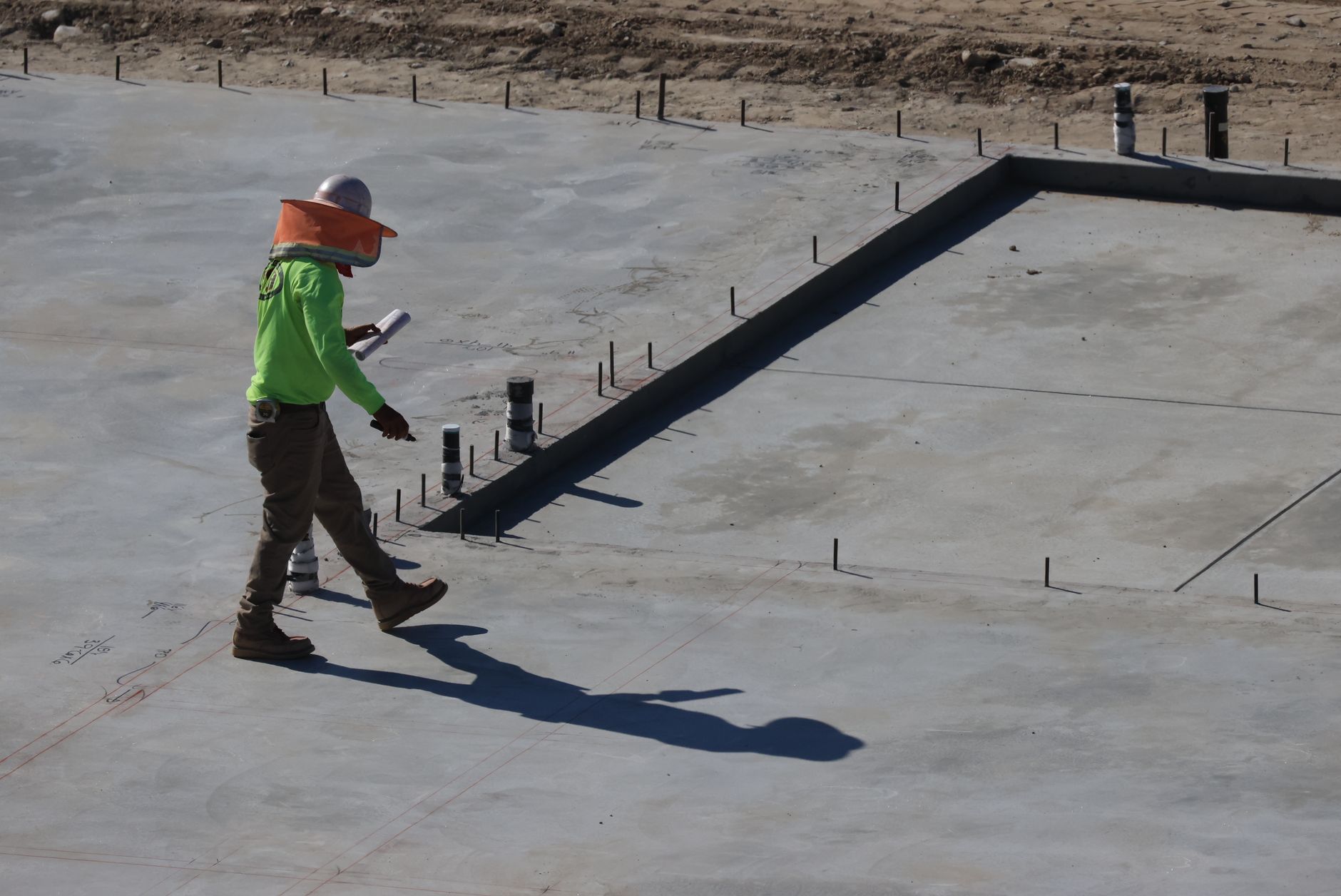
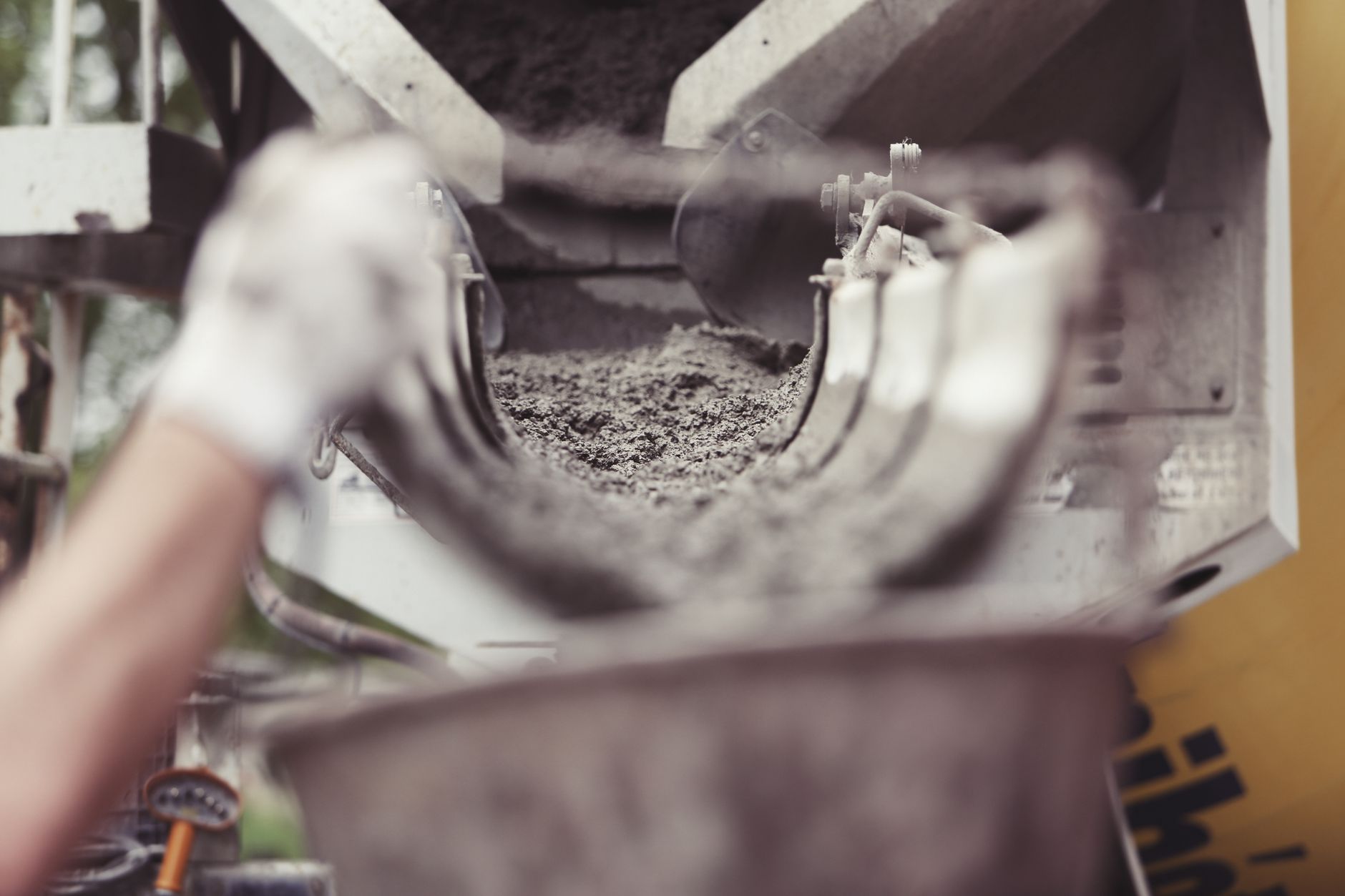
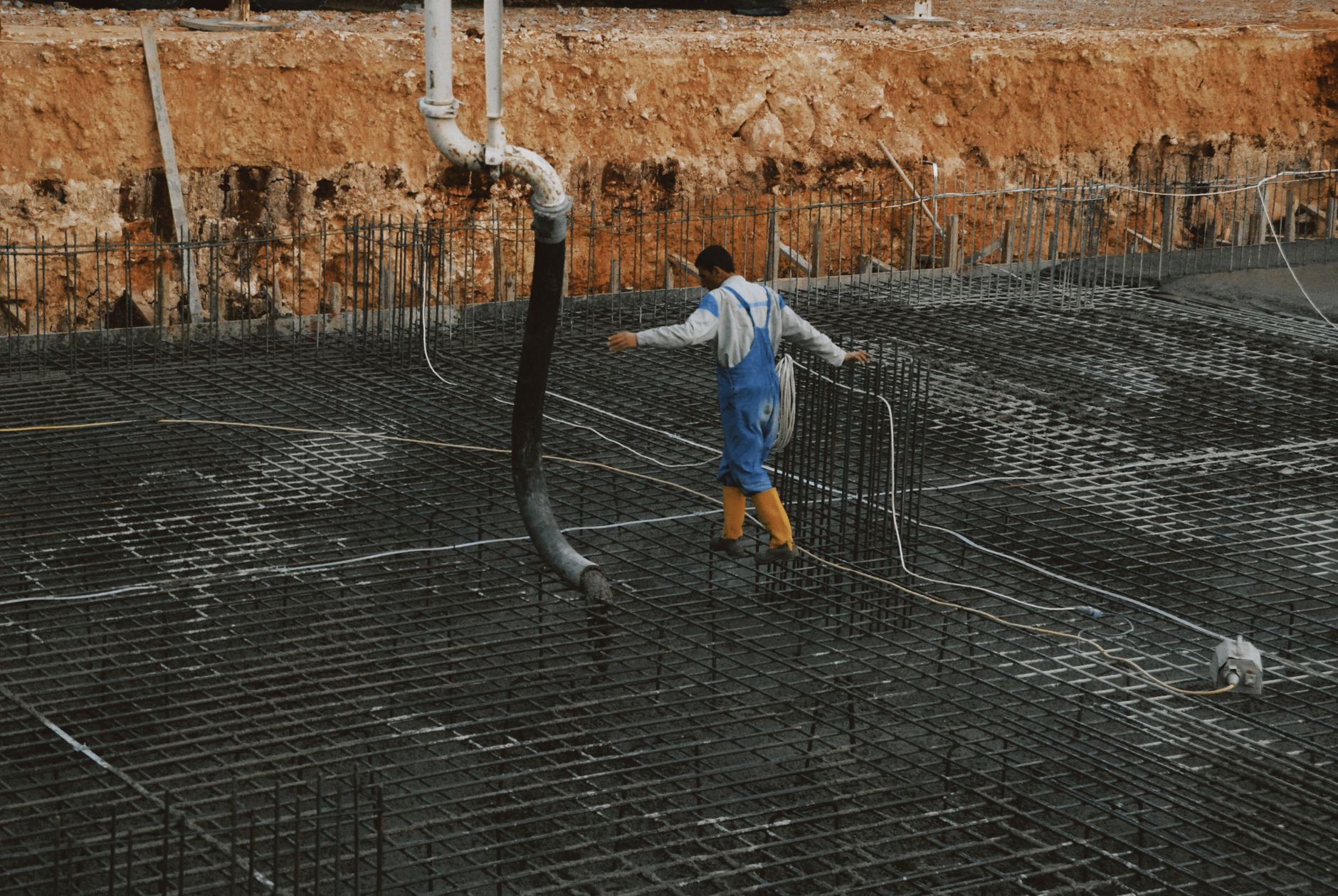
A concrete calculator tells you exactly how much ready-mix or bagged concrete to order before you break ground. Instead of guessing and either running short mid-pour — a serious problem, since concrete sets fast and a "cold joint" between batches weakens the slab — or over-ordering and paying for wasted material, you enter your project's dimensions and get a precise volume.
The calculator works by computing the volume of the space you're filling — length x width x thickness for a slab or footing, or pi x radius squared x height for a round post or column — then converting that volume into the units concrete is actually sold in: cubic yards or cubic meters for ready-mix delivery, and individual bags for smaller DIY jobs.
Getting the quantity right matters for two reasons. First, cost: ready-mix trucks charge a short-load fee if you order less than their minimum (often 1 cubic yard), so knowing your real number in advance avoids expensive surprises. Second, structural quality: pouring a slab in two separate batches because you ran out creates a weak seam that can crack. This tool covers imperial units (feet, inches, cubic yards — standard in the US) and metric units (meters, centimeters, cubic meters — standard almost everywhere else), and supports three common shapes: flat slabs, linear footings, and round posts or columns.
One cubic yard equals 27 cubic feet, and one cubic yard of concrete requires roughly 60 bags of 60 lb premix or 45 bags of 80 lb premix. In metric terms, one cubic meter needs about 80 bags of 25 kg premix or 40 bags of 50 kg premix. These bag yields (0.45 ft³ for a 60 lb bag, 0.6 ft³ for an 80 lb bag, 0.0125 m³ for a 25 kg bag, 0.025 m³ for a 50 kg bag) are the industry-standard figures printed on most premix packaging.
The following table shows approximate concrete volume for common slab sizes at a standard 4-inch (10 cm) thickness, including a 10% waste buffer:
| Slab size | Area | Cubic yards | 60 lb bags |
|---|---|---|---|
| 8 ft × 8 ft (shed base) | 64 sq ft | ~0.87 yd³ | ~52 bags |
| 10 ft × 10 ft (patio) | 100 sq ft | ~1.36 yd³ | ~81 bags |
| 12 ft × 12 ft (patio) | 144 sq ft | ~1.96 yd³ | ~117 bags |
| 16 ft × 20 ft (driveway pad) | 320 sq ft | ~4.35 yd³ | ~261 bags |
| 20 ft × 20 ft (garage floor) | 400 sq ft | ~5.44 yd³ | ~327 bags |
| 24 ft × 24 ft (2-car garage) | 576 sq ft | ~7.83 yd³ | ~470 bags |
Values are approximate and include a 10% waste buffer. Use the calculator above for your specific dimensions.
Dave is pouring a 12 ft × 14 ft patio slab, 4 inches thick, and wants a 10% waste buffer. He'll order ready-mix at $145/yd³.
Volume: 12 × 14 × (4÷12) = 56 ft³. With 10% buffer: 61.6 ft³. Cubic yards: 61.6 ÷ 27 = 2.28 yd³. Cost: 2.28 × $145 = ~$331. In bags, that's about 137 bags of 60 lb premix — Dave decides ready-mix delivery is the clear winner here.
Maria is setting 8 fence posts. Each hole is 10 inches in diameter and 2.5 ft deep, filled with concrete around a post.
Radius: 5 in ÷ 12 = 0.417 ft. Volume per post: π × 0.417² × 2.5 = 1.36 ft³. For 8 posts: 10.9 ft³, plus 10% buffer = 12.0 ft³. That's 0.44 yd³ total, or about 27 bags of 60 lb premix — roughly 3-4 bags per post, which matches typical fence post guidance.
Lukas is pouring a 3 m × 2.4 m shed base, 10 cm thick, in metric units with no waste buffer beyond the standard 5%.
Volume: 3 × 2.4 × 0.10 = 0.72 m³. With 5% buffer: 0.756 m³. That equals about 61 bags of 25 kg premix or 31 bags of 50 kg premix — Lukas opts for the 50 kg bags to cut the number of trips to the hardware store in half.
| Bag size | Yield | Bags per yd³ / m³ | Best for |
|---|---|---|---|
| 60 lb premix | 0.45 ft³ | ~60 bags/yd³ | Small DIY jobs, easier to lift |
| 80 lb premix | 0.60 ft³ | ~45 bags/yd³ | Fewer bags needed, heavier to carry |
| 25 kg premix | 0.0125 m³ | ~80 bags/m³ | Standard EU/metric bag size |
| 50 kg premix | 0.025 m³ | ~40 bags/m³ | Larger jobs, fewer bags to handle |
Multiply length x width x thickness to get the volume in cubic feet, then divide by 27 to convert to cubic yards. For a 10 ft x 10 ft slab at 4 inches thick: 10 x 10 x 0.333 = 33.3 cubic feet, divided by 27 = 1.23 cubic yards. Always add 5-10% extra for waste and an uneven subgrade.
One cubic yard requires about 60 bags of 60 lb premix, or 45 bags of 80 lb premix. In metric, one cubic meter needs roughly 80 bags of 25 kg premix or 40 bags of 50 kg premix.
A standard residential slab is typically 4 inches (10 cm) thick. A driveway carrying vehicle weight should be 5-6 inches, and heavy-duty applications may need 6-8 inches. Footings are usually deeper — check your local building code for frost depth requirements.
Ready-mix concrete typically costs $125-$180 per cubic yard delivered in the US as of 2026, varying by region and mix strength. Bagged premix works out more expensive per cubic yard but is practical for jobs under 1 cubic yard.
Yes, add 5-10% extra. Subgrade is rarely perfectly level, formwork can bow, and material is lost during mixing and finishing. Use 10% for DIY or complex shapes, 5% for simple slabs poured by an experienced crew.
A slab is a flat horizontal pour calculated as length x width x thickness. A footing is a linear strip below grade, calculated the same way but usually deeper. A round post or column uses the cylinder formula: pi x radius squared x height.
Yes, for projects under about 1 cubic yard (roughly 60 bags of 60 lb premix), hand-mixing in a wheelbarrow is practical. For larger pours, a rented mixer or ready-mix delivery is faster and more consistent.
Concrete is usually safe to walk on after 24-48 hours and can handle light vehicles after about 7 days. Full design strength is reached at 28 days — the standard period used in engineering calculations.