
Find your optimal daily protein intake in grams — personalized by weight, activity level and goal. Based on ISSN evidence-based guidelines.
Protein is one of three macronutrients your body needs in large amounts, alongside carbohydrates and fat. Unlike carbs and fat, which primarily serve as fuel, protein is the body’s primary building material. It forms muscle tissue, enzymes, hormones, antibodies and virtually every structural component of your body.
Every protein is made of amino acid chains. Of the 20 amino acids, 9 are essential — meaning your body cannot synthesize them and must obtain them through diet. Complete protein sources (animal products, soy, quinoa) contain all 9 essential amino acids. Many plant sources are incomplete, which is why variety matters on a plant-based diet.
Protein is the one macronutrient where getting enough consistently produces measurable improvements in body composition, strength, health markers and satiety. Most people underestimate how much they need.
The old RDA of 0.8 g/kg was set to prevent deficiency in sedentary adults — it is not the target for health optimization or anyone who exercises. Current evidence from sports nutrition research paints a clearer picture:
| Profile | Minimum | Optimal Range | Upper Range |
|---|---|---|---|
| Sedentary adult | 0.8 g/kg | 1.0–1.2 g/kg | 1.4 g/kg |
| Recreationally active | 1.2 g/kg | 1.4–1.7 g/kg | 2.0 g/kg |
| Regular gym-goer | 1.6 g/kg | 1.7–2.0 g/kg | 2.2 g/kg |
| Athlete (strength) | 1.8 g/kg | 2.0–2.4 g/kg | 2.6 g/kg |
| Fat loss (any level) | +0.2 g/kg above baseline | Higher protein preserves muscle during deficit | |
| Adults 65+ | 1.2 g/kg | 1.4–1.6 g/kg | 2.0 g/kg |
A landmark meta-analysis by Morton et al. (2018) found that protein intakes beyond approximately 1.62 g/kg/day produced no additional gains in muscle mass in resistance-trained individuals. However, during caloric restriction, higher intakes (up to 2.4 g/kg) help preserve lean muscle tissue more effectively.

The calculator applies evidence-based protein factor ranges from the International Society of Sports Nutrition (ISSN) position stand and adjusts them based on your activity level and goal:
Your result shows three numbers: minimum (baseline for your profile), optimal (evidence-based sweet spot where benefits are maximized), and upper range (diminishing returns beyond this point, though still safe).
| Food | Protein per 100 g | Notes |
|---|---|---|
| Chicken breast (cooked) | 31 g | Complete, low fat, versatile |
| Tuna (canned, in water) | 29 g | Omega-3 bonus; limit to 2–3 servings/week |
| Lean beef (sirloin) | 26 g | Complete + creatine, zinc |
| Salmon (cooked) | 25 g | Omega-3 rich; excellent protein quality |
| Cottage cheese | 11 g | Casein protein; slow-digesting, ideal before bed |
| Greek yogurt (plain, 0%) | 10 g | Probiotic bonus; mix with fruit |
| Eggs (whole) | 13 g | Highest biological value of any food |
| Edamame (cooked) | 11 g | Complete plant protein, high fibre |
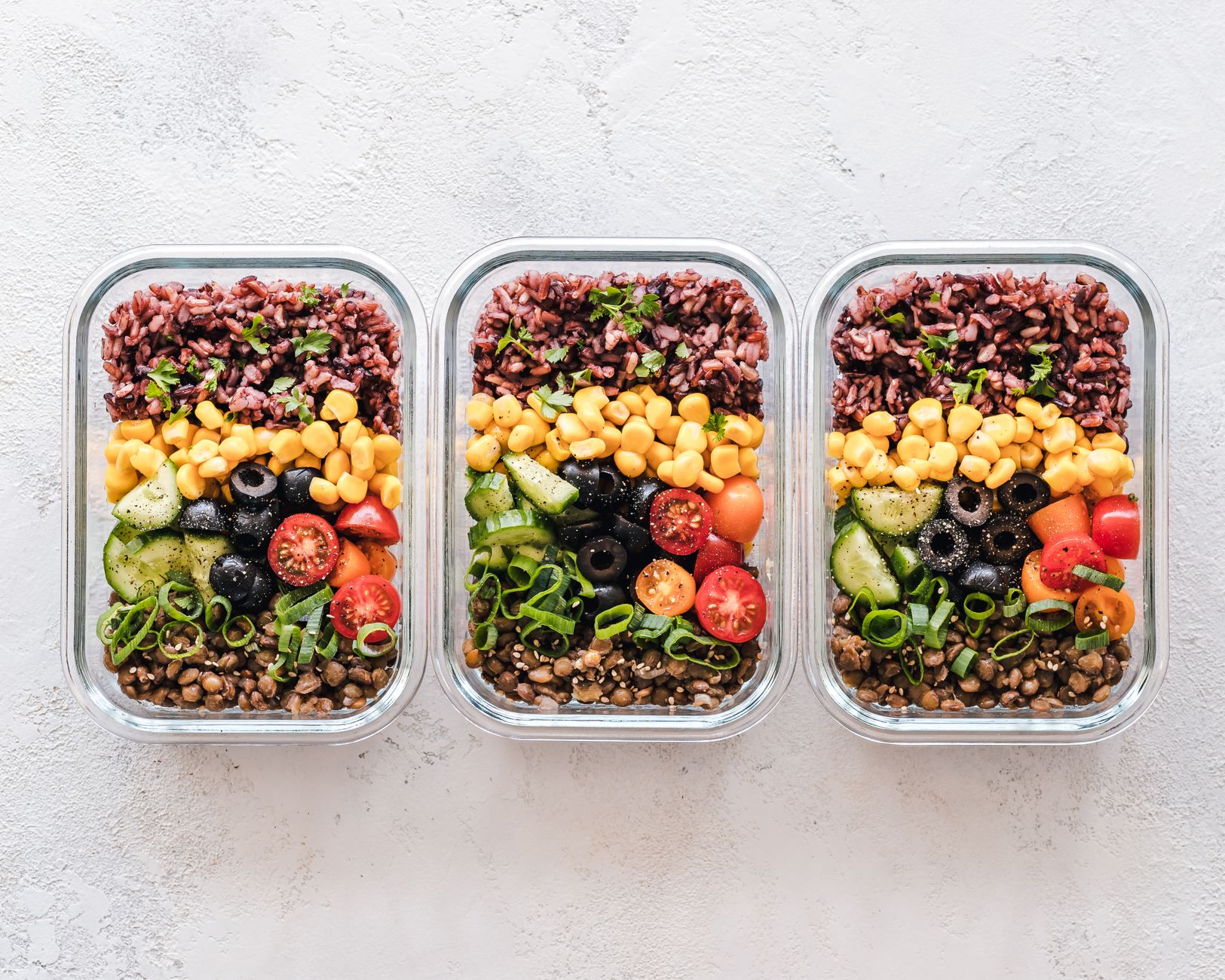
| Lentils (cooked) | 9 g | Incomplete; combine with grains for all EAAs |
| Whey protein powder | 75–80 g | Fast-digesting; ideal post-workout |
Total daily protein intake is the primary driver of results. Timing is secondary — but it matters at the margins:
During a caloric deficit, there’s a real risk of losing muscle alongside fat. Higher protein intake combats this through three mechanisms:
Most research supports 1.6–2.2 g per kg of body weight for active individuals aiming to build or preserve muscle. Sedentary adults generally need 0.8–1.0 g/kg. This calculator adjusts the target based on your activity level and goal.
Use your current body weight. If you are significantly overweight, you may use your target weight or lean body mass to avoid overestimating protein needs, since excess body fat does not require protein for maintenance.
For healthy adults with normal kidney function, intakes up to 3.5 g/kg/day are generally considered safe. The concern about protein damaging kidneys applies mainly to people who already have kidney disease. Practical limits are set more by budget and fullness than by safety.
Total daily intake matters most. However, distributing protein across 3–5 meals maximizes muscle protein synthesis. Each meal should ideally contain 20–40 g to fully trigger the anabolic response.
Top sources by protein density: chicken breast (31 g/100 g), tuna (29 g/100 g), eggs (13 g/100 g), Greek yogurt (10 g/100 g), cottage cheese (11 g/100 g), and whey protein powder (75–80 g/100 g). Plant sources: edamame (11 g/100 g), lentils (9 g/100 g).
No, if you can meet your target through whole foods. Protein powders are a convenient, cost-effective way to bridge gaps — especially post-workout or when traveling — but they are not superior to food protein.
Protein has the highest thermic effect (20–30% of calories burned in digestion), suppresses hunger more than carbs or fat, and preserves lean muscle during a deficit. Higher-protein diets consistently outperform lower-protein diets for fat loss while preserving muscle.
Adults over 65 experience anabolic resistance — the muscle-building signal from protein becomes less efficient. Research suggests older adults benefit from 1.2–2.0 g/kg, with resistance exercise amplifying the effect. Adequate protein is the most effective nutritional intervention against age-related muscle loss (sarcopenia).
Protein requirements per kg of body weight are similar for men and women with the same training status and goals. Absolute totals differ because men are typically heavier with more lean mass. Women may benefit from slightly higher protein per kg during dieting to preserve lean tissue.
Consume 20–40 g within 2 hours post-workout. The anabolic window is wider than once believed — if you had a protein-rich meal 1–2 hours before training, post-workout urgency is lower. More important is total daily intake and consistent distribution across meals.