
Work out the tip, the grand total and the amount each person owes — split a restaurant bill in seconds.
Splitting a restaurant bill at the end of a meal is where mental arithmetic goes to die. This tip calculator does it all at once: enter the bill, choose a tip percentage and say how many people are paying, and it shows the tip amount, the grand total and exactly what each person owes. No arguments, no rounding errors, no one quietly underpaying.
It works for any service where tipping applies — restaurants, bars, salons, taxis, food delivery and hotels — and for any group size. Because it runs in your browser, it's just as fast on your phone at the table as on a laptop.
It is straightforward percentage maths, but doing it under social pressure with a calculator app and a tax line to ignore is exactly where mistakes creep in. Automating it means the split is fair and instant every time.
| Service | Customary tip |
|---|---|
| Restaurant (table service) | 15–20% |
| Exceptional service | 20–25% |
| Bartender | $1–2 per drink or 15–20% |
| Food delivery | 10–15% (min $3–5) |
| Taxi / rideshare | 10–15% |
| Hair salon / barber | 15–20% |
| Hotel housekeeping | $2–5 per night |
Tipping norms are strongest in the US. In much of Europe and Asia, service is included and small or no tips are expected.

Decide whether to tip on the pre-tax or post-tax total. Tipping on the subtotal (pre-tax) is perfectly acceptable and slightly cheaper. Watch for service charges already added — large groups and many restaurants add an automatic gratuity, so check before tipping again. Round sensibly when splitting, and have one person cover any leftover cents. And carry the local custom in mind when travelling: over-tipping where it isn't expected, or under-tipping where it is, are both easy mistakes.
Tipping is a cultural norm, not a universal rule, and getting it wrong can be awkward in either direction. In the United States, tipping is effectively part of the wage system: servers often earn a low base pay and rely on tips, so 15–20% is genuinely expected. In Japan, by contrast, tipping can be seen as rude, and exceptional service is simply the standard. Across much of continental Europe a service charge is frequently included, and a small round-up of a euro or two is plenty. In the UK, 10–12.5% is common at restaurants but rarely expected at bars. Before you travel, a quick check of local custom saves you from either offending staff or overpaying out of habit — and this calculator lets you dial the percentage to whatever the local norm happens to be.
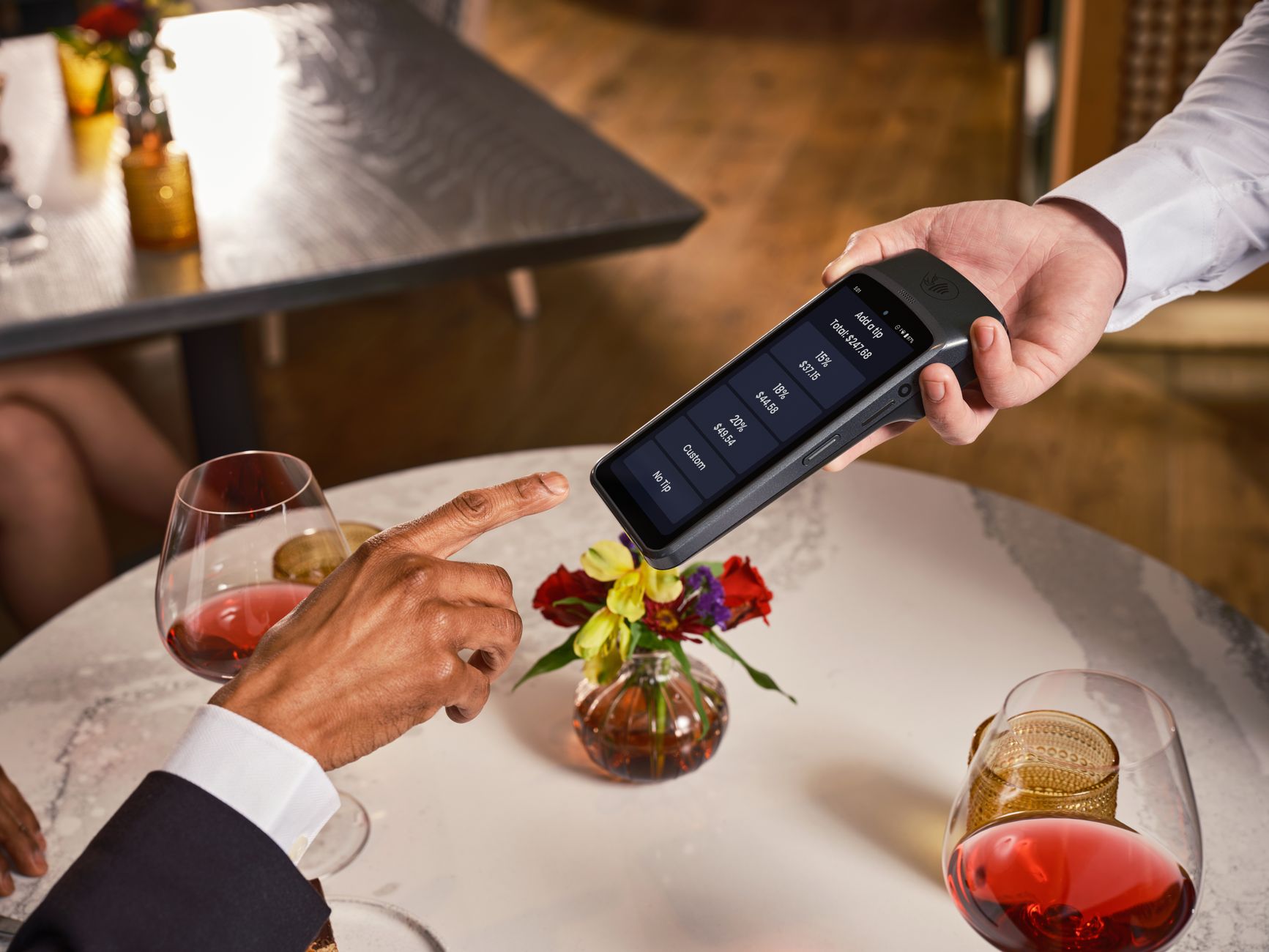
An even split is the simplest approach, but it isn't always fair — one diner's steak and wine can dwarf another's salad and water. For an uneven split, total each person's own items, add the same tip percentage to each subtotal, and the proportional share falls out naturally. When one person pays the whole bill on a card and collects cash from the rest, calculate each share including tip first so no one is left short. For tipping on a card machine that suggests amounts, remember the suggested percentages are sometimes calculated on the post-tax total, nudging the tip higher than the percentage implies.
In the US, 15–20% of the bill is standard for table service, with 20% or more for exceptional service. Tipping norms are lower or non-existent in many other countries, where service is often included.
Either is acceptable. Tipping on the pre-tax subtotal is common and slightly cheaper; tipping on the post-tax total is also fine and simpler since it's the number printed largest on the bill.
Add the tip to the bill to get the total, then divide by the number of people. This calculator does it automatically and shows the exact per-person amount.
Check the bill for an automatic gratuity, common for large groups. If one is included, you generally don't need to add another tip, though you can round up for great service.
Find 10% by moving the decimal one place left, then adjust: double it for 20%, or add half again for 15%. For example, 10% of $50 is $5, so 20% is $10 and 15% is $7.50.
It depends on the country. In much of Europe and Asia, service is included and tipping is modest or optional. Check local customs to avoid over- or under-tipping.