
Find out what time it is anywhere else in the world — with automatic daylight saving time and a same-day / next-day indicator.
| City | Local time | Date |
|---|---|---|
| Los Angeles | --:-- | -- |
| New York | --:-- | -- |
| London | --:-- | -- |
| Madrid | --:-- | -- |
| Johannesburg | --:-- | -- |
| Dubai | --:-- | -- |
| Mumbai | --:-- | -- |
| Shanghai | --:-- | -- |
| Tokyo | --:-- | -- |
| Sydney | --:-- | -- |
Updates automatically every 30 seconds using your device's clock.
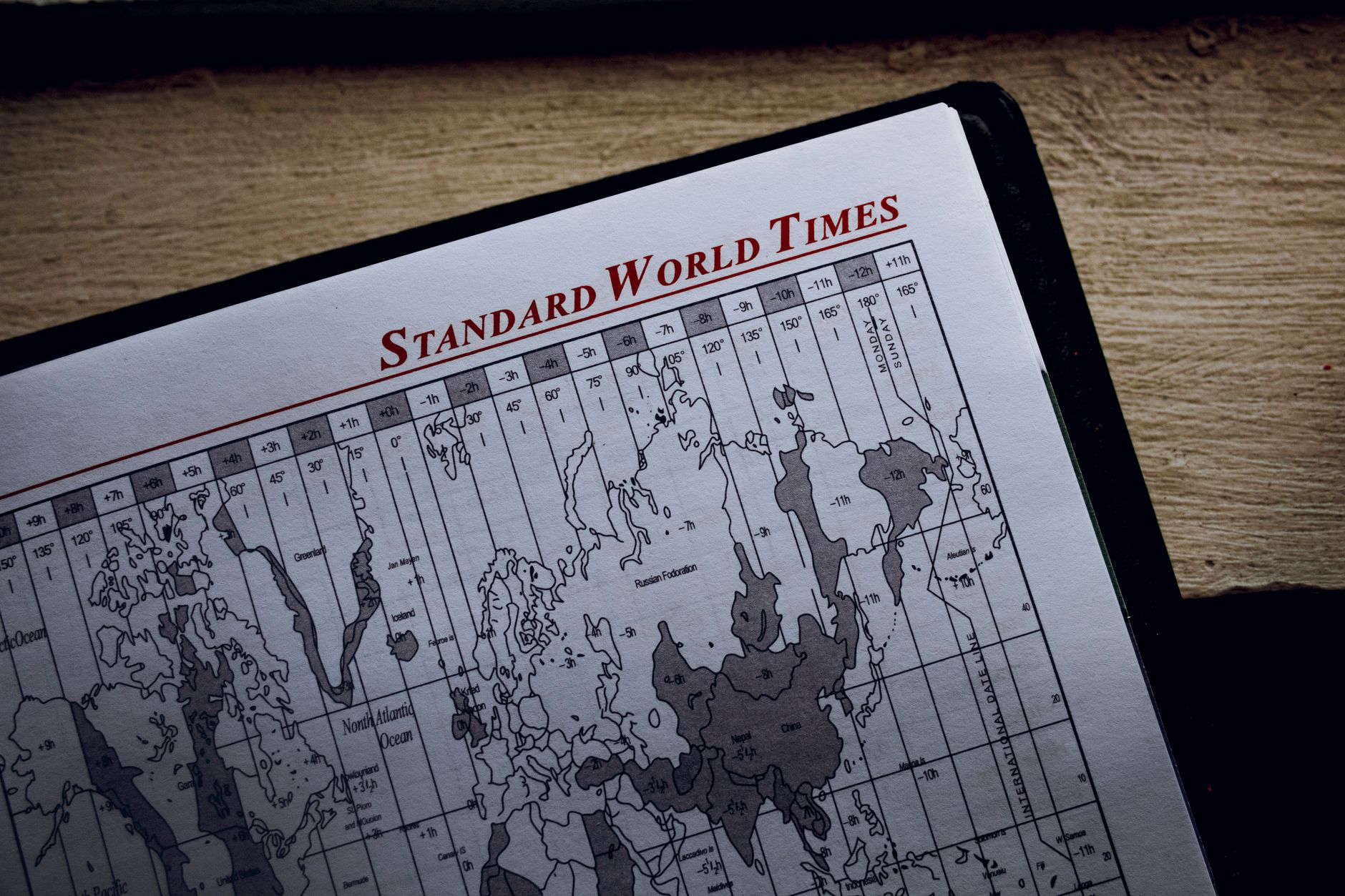
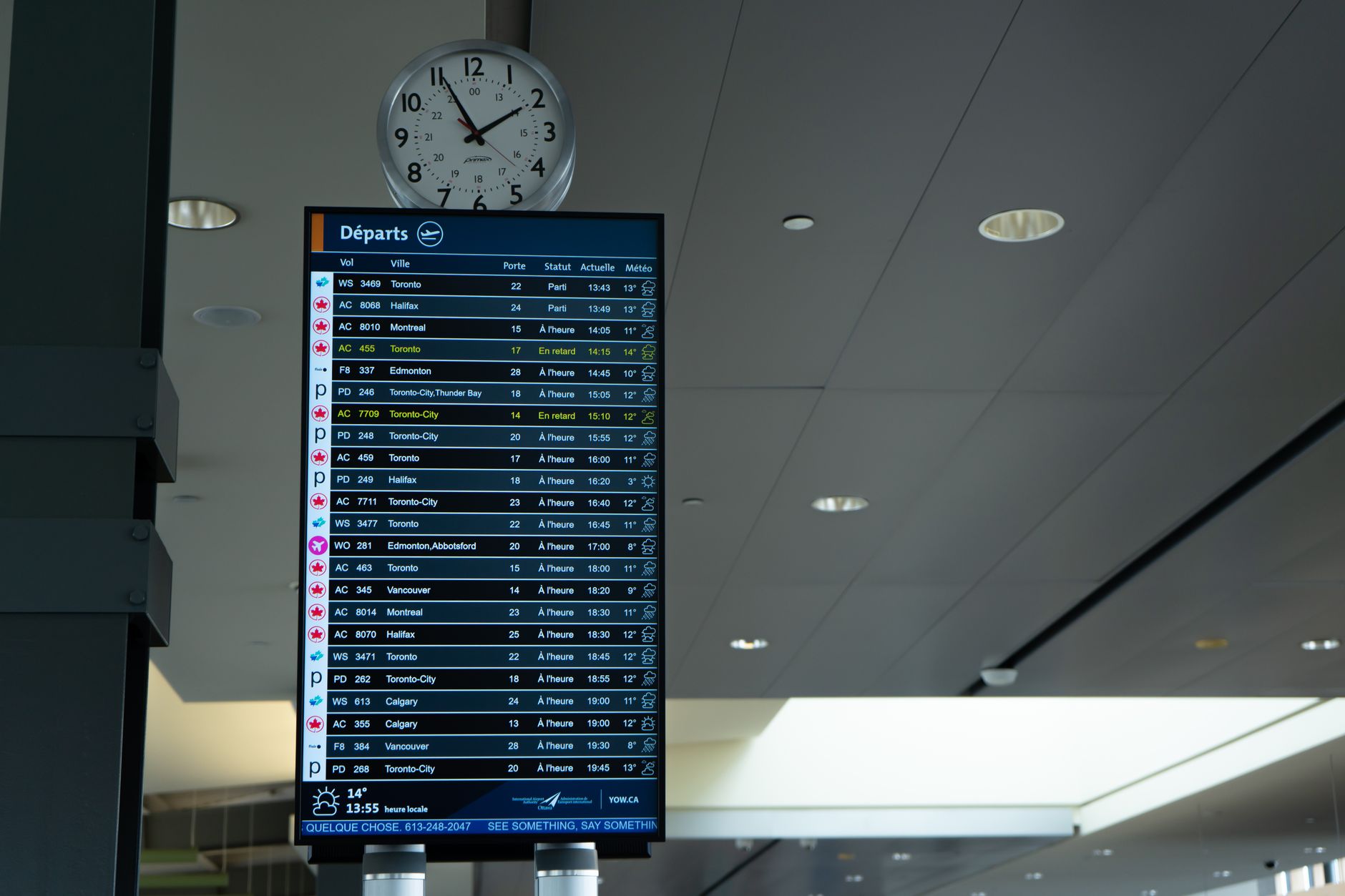

A time zone converter tells you the exact local time and date in another city when you already know the time somewhere else. It matters for anyone coordinating across distance: scheduling a video call with a team split between continents, booking a flight and figuring out when you'll actually land, calling family abroad without waking them at 3 AM, or watching a live stream that starts "at 8 PM" in a time zone that isn't yours.
The hard part isn't the raw math — it's that UTC offsets are not fixed. More than 70 countries shift their clocks for daylight saving time (DST) during part of the year, and the DST start and end dates differ by country. That means the "difference" between two cities can literally change by an hour depending on the date you're converting. This tool uses the IANA time zone database — the same authoritative source built into every modern computer, phone, and browser — so it applies the correct offset automatically for the exact date you enter, rather than a static rule that can silently be wrong for part of the year.
Every time zone is defined as an offset from UTC (Coordinated Universal Time), the modern successor to GMT. To convert a time, you find the offset of the source zone and the target zone on that specific date (since DST can shift either one), calculate the difference between the two offsets, then add that difference to the source time. If the result crosses midnight, the date shifts forward or backward by one day — which is why this calculator always shows a "date change" indicator alongside the converted time.
Priya in New York wants to call a colleague in London and proposes 12:00 PM her time. In August, New York is on Eastern Daylight Time (UTC−4) and London is on British Summer Time (UTC+1), a 5-hour difference. Converting 12:00 PM New York gives 5:00 PM London, same day — a reasonable time for both sides.
A flight departs Tokyo at 9:00 AM local time. Tokyo is UTC+9 year-round (Japan does not observe DST), and Los Angeles is UTC−7 in August (Pacific Daylight Time), a 16-hour difference. That 9:00 AM Tokyo departure corresponds to 5:00 PM in Los Angeles the previous day — the date rolls backward because of how far west LA sits relative to the international date line.
A product launch livestream is announced for 8:00 PM India Standard Time (UTC+5:30). Converting to New York (UTC−4 in summer, a 9.5-hour difference) gives 10:30 AM the same day — a viewer on the US East Coast needs to log in mid-morning, not in the evening as the announcement's local framing might suggest.
| Time zone | Standard UTC offset | Observes DST? |
|---|---|---|
| Los Angeles, USA | UTC−8 (PST) | Yes → UTC−7 in summer |
| New York, USA | UTC−5 (EST) | Yes → UTC−4 in summer |
| London, UK | UTC+0 (GMT) | Yes → UTC+1 in summer |
| Madrid / Paris / Berlin | UTC+1 (CET) | Yes → UTC+2 in summer |
| Mumbai / New Delhi, India | UTC+5:30 | No, fixed year-round |
| Beijing / Shanghai, China | UTC+8 | No, fixed year-round |
| Tokyo, Japan | UTC+9 | No, fixed year-round |
| Sydney, Australia | UTC+10 (AEST) | Yes → UTC+11 in summer (opposite hemisphere) |
DST rules can change by local legislation; the calculator above always uses the current official rules for the date you enter.
Find the UTC offset of both time zones on the date in question, subtract the source offset from the target offset to get the hour difference, then add that difference to your starting time. Because offsets change with daylight saving time, using a converter that checks the specific date is safer than a fixed rule of thumb.
Yes. It uses the IANA time zone database — the same source used by computers, phones, and calendar apps — for the exact date you enter, so DST or standard time is applied automatically and correctly for each location.
Countries near the equator see little seasonal daylight change, so shifting clocks brings no benefit. Others, like India, China, and Japan, keep a single fixed offset year-round by choice. In the US, Arizona (except the Navajo Nation) and Hawaii also skip DST.
UTC is the modern technical time standard; GMT is the older standard based on solar time at Greenwich. In practice they're within a fraction of a second of each other and used interchangeably day to day, though UTC is the technically correct reference for offsets.
There are 24 standard one-hour offsets, but roughly 38-39 distinct zones once you include 30-minute and 45-minute offsets used by countries like India, Iran, and Nepal.
Look for overlapping business hours (roughly 9 AM-5 PM local) on both ends. Zones more than 8-9 hours apart often have little or no overlap, so someone ends up meeting early morning or late evening.
Because zones are offsets from a shared UTC reference, converting a time near midnight in the source zone can push the target zone's equivalent time into the next day or back into the previous day.