
Paint Calculator
Enter your room dimensions and find out exactly how many gallons of paint to buy — walls, ceiling and trim, one or two coats.
Room dimensions
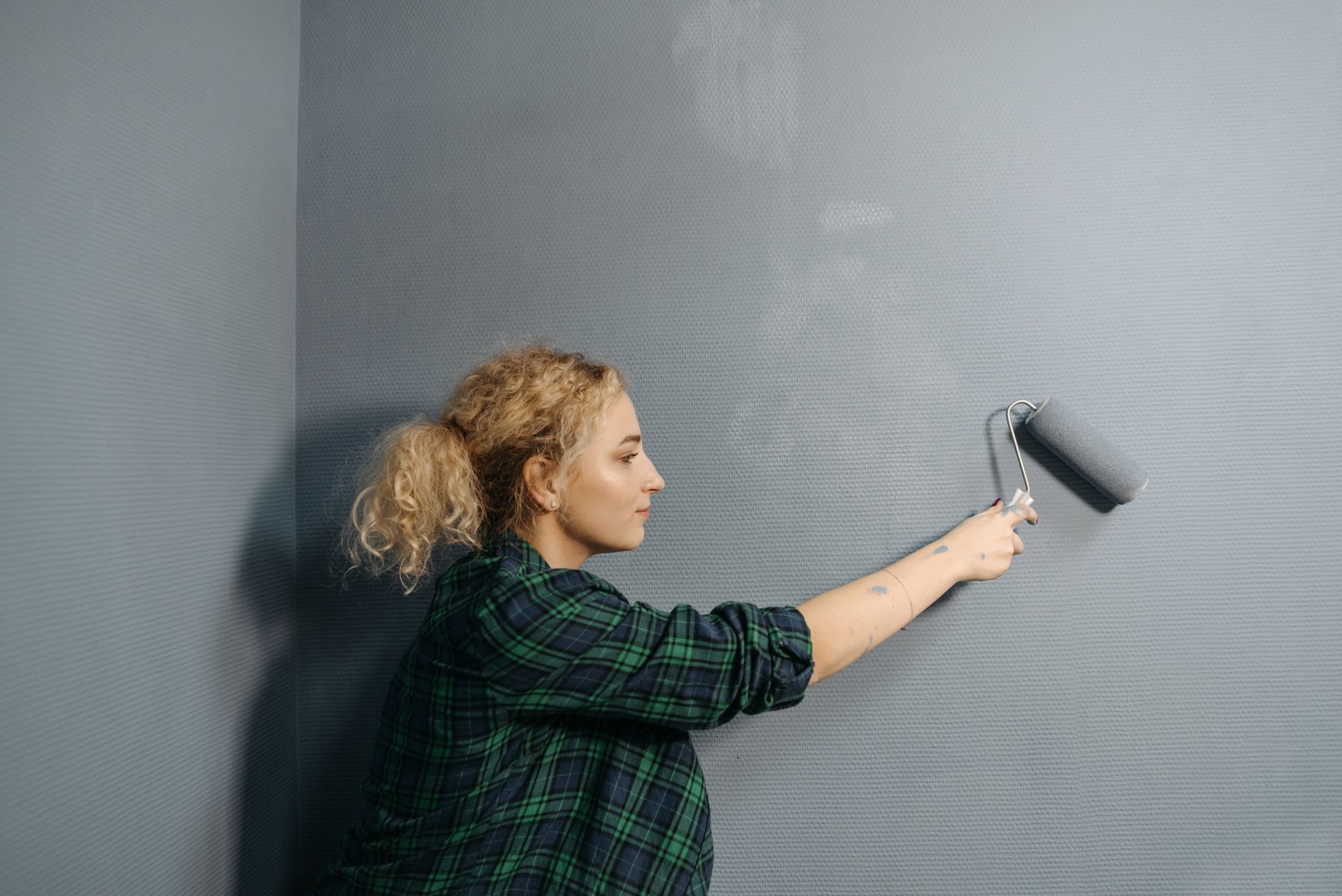
What this paint calculator does
Buying too little paint means a frustrating mid-project trip back to the store — sometimes to a discontinued batch that doesn't quite match. Buying too much wastes money and creates storage headaches. This paint calculator takes the guesswork out of the equation by computing the exact paintable area of your room, deducting doors and windows, and dividing by your paint's coverage rate to give you a precise gallon (and liter) figure for walls, ceiling and trim separately.
The calculator is designed for interior rooms, but the same maths applies to any flat surface — exterior walls, garages, sheds or fences — as long as you know the dimensions.
How to use this calculator
- Choose your unit — feet or meters. The calculator keeps everything consistent.
- Enter room length, width and ceiling height.
- Add doors and windows. The calculator deducts 20 sq ft per door and 15 sq ft per window from the wall area, since those surfaces won't be painted.
- Enter paint coverage. Check your tin — most wall paints say 350–400 sq ft per gallon (32–37 m² per liter). If painting porous surfaces like bare drywall or exterior masonry, use the lower end.
- Choose the number of coats. Two coats are almost always necessary for an even, lasting finish.
- Tick ceiling and trim if you want those surfaces included. The result shows each area separately so you can buy the right type and quantity for each.
The paint area formula explained
The core calculation is simple geometry:
Subtract: doors × 20 sq ft + windows × 15 sq ft
Net area × coats ÷ coverage (sq ft/gal) = gallons needed
For a 12 × 10 room with 8-ft ceilings, 1 door and 2 windows, painted with 2 coats at 350 sq ft/gal:
Subtract openings: 20 + 2 × 15 = 50 sq ft → net 302 sq ft
Gallons = 302 × 2 ÷ 350 ≈ 1.73 gallons → buy 2 gallons
Paint coverage reference table
| Surface type | Sq ft per gallon | m² per liter |
|---|---|---|
| Smooth interior walls (latex) | 350–400 | 8.6–9.8 |
| Semi-gloss / gloss trim paint | 300–350 | 7.4–8.6 |
| Ceiling paint (flat finish) | 350–400 | 8.6–9.8 |
| Textured or rough walls | 250–300 | 6.1–7.4 |
| Bare drywall / primer coat | 200–300 | 4.9–7.4 |
| Exterior wood or siding | 250–300 | 6.1–7.4 |
| Exterior masonry / brick | 100–200 | 2.5–4.9 |
Coverage figures vary by brand and sheen level. Always check the label of the specific product you're using.
How many coats do you need?
The number of coats depends on the situation:
- Freshly primed drywall or a similar color repaint: 1 coat may be enough, but 2 gives a more durable and uniform finish.
- Drastic color change (dark over light or light over dark): 2–3 coats are typically necessary. A tinted primer cut in the first coat can save you a full coat of expensive finish paint.
- Bare wood or previously unpainted surfaces: Always prime first, then 2 topcoats.
- High-traffic areas (hallways, kitchens, kids' rooms): 2 coats of a washable semi-gloss finish for durability.

Buying the right amount — practical tips
Always round up to the nearest quart or gallon. It's far cheaper to return an unopened tin than to make a second trip for a half-gallon.
Add 10% for waste and touch-ups. Edging, roller overlap and drips all consume more paint than a theoretical calculation allows. Keep a small amount stored for future touch-ups — matching a color months later is notoriously difficult.
Check the batch number on cans. Even the same color from the same manufacturer can vary slightly between production batches. If you're buying multiple cans, make sure they share the same batch number, or "box" them (pour them all into a large bucket and mix before use).
Primer vs. paint-and-primer. Combo products save a step but often need two topcoats to match a dedicated primer followed by one coat of finish paint. On bare drywall or a major color change, a separate primer is usually more economical.
Choosing the right paint sheen
Sheen level affects both appearance and durability, and different rooms call for different finishes:
- Flat / matte — best for ceilings and low-traffic rooms. Hides surface imperfections well but scuffs easily and isn't wipeable.
- Eggshell — the most popular living-room and bedroom finish. Slight sheen, better washability than flat, still looks elegant.
- Satin — a step up in washability; good for family rooms, hallways and children's bedrooms.
- Semi-gloss — moisture- and stain-resistant; ideal for kitchens, bathrooms, trim and doors.
- High-gloss — very durable and easy to clean; best for trim, cabinets and furniture, but shows every imperfection on walls.
Paint calculator for exterior projects
The same formula applies outdoors. Measure each exterior wall (height × width), add them up, subtract windows and doors, and divide by coverage. Exterior paints typically cover less per gallon — around 250–300 sq ft — because surfaces are rougher and more porous. Masonry and brick absorb even more: budget for 100–200 sq ft per gallon on first-time masonry coats. Two coats are almost always required outdoors for UV protection and weather resistance.
Frequently asked questions
How many square feet does a gallon of paint cover?
A standard gallon of wall paint covers 350–400 square feet in a single coat on smooth surfaces. Rough or porous surfaces absorb more, so plan for 300–350 sq ft per gallon to be safe.
Do I need one coat or two coats of paint?
Two coats are almost always recommended. A single coat rarely gives full, even coverage — especially when changing colors or painting over bare drywall. Budget for two coats from the start.
Should I include the ceiling in my paint calculation?
Ceiling paint is usually a separate product from wall paint. Our calculator lets you include or exclude the ceiling and shows the gallon requirements for each surface so you can buy them separately.
How do I subtract doors and windows from the area?
A standard interior door covers about 20 sq ft and a typical window about 15 sq ft. The calculator deducts these automatically from the total wall area when you enter the count.
How much paint do I need for trim and baseboards?
For a standard room, 1 quart (0.95 L) of trim paint is enough for baseboards and door frames. If the room has a lot of detailed woodwork or high ceilings, plan for 2 quarts.
What is the formula for calculating paint needed?
1. Calculate total wall area: 2 × (length + width) × height. 2. Subtract openings: doors (~20 sq ft each) and windows (~15 sq ft each). 3. Multiply by number of coats. 4. Divide by paint coverage (sq ft per gallon) to get gallons.
Should I buy extra paint?
Yes. Add 10% extra for touch-ups, edges and waste. For rooms with irregular walls, alcoves or lots of trim, add 15–20% to your calculated amount.
How many gallons do I need for a 12×12 room?
A 12×12 room with 8-foot ceilings has roughly 384 sq ft of wall area (minus doors and windows, about 320 sq ft). With two coats at 350 sq ft/gallon coverage, you need around 1.8–2 gallons of wall paint.
Related calculators
Planning a home project? These calculators can help with the bigger picture:
- Mortgage Calculator — estimate your monthly home loan payment.
- Loan Calculator — work out costs for a home improvement loan.
- Discount Calculator — check sale prices when paint is on offer.
- Percentage Calculator — handy for calculating coverage increases or price markups.
- Air Conditioner Running Cost Calculator — estimate energy costs for your home.